Knowledge Hub

Plain-language answers about termites, damage signs, prevention and treatment basics

This page is designed to answer the exact questions people ask in Google and AI search tools: what termites do, how to spot them early, why pre-construction treatment matters and which products are commonly used by professionals.

Quick Answer

What should a property owner know first about termites?

Termites often damage wood, plywood and hidden structural areas long before the problem becomes visible. If you notice mud tubes, hollow wood, wing discard or swollen wooden parts, early inspection and professional treatment planning can reduce bigger losses later.

What is the lifecycle of termites?

Termites generally develop through egg, nymph and worker or soldier stages before a colony matures with reproductive termites such as the queen and king. Once a colony establishes itself in soil, wood or hidden moisture-prone areas, the population can grow rapidly.
How do termites damage buildings?

Termites feed on cellulose-based material such as wood, paper and plywood. In buildings they often travel through hidden joints, untreated wood, pipe routes and moisture-prone gaps, which is why damage can continue unnoticed for long periods.

Common signs of termite infestation

  • Mud tubes on walls, foundations or corners.
  • Wood that sounds hollow when tapped.
  • Discarded wings near lights, windows or sills.
  • Swollen door frames, cabinets or wood panels.
  • Fine powder, surface flaking or hidden internal damage in wood.
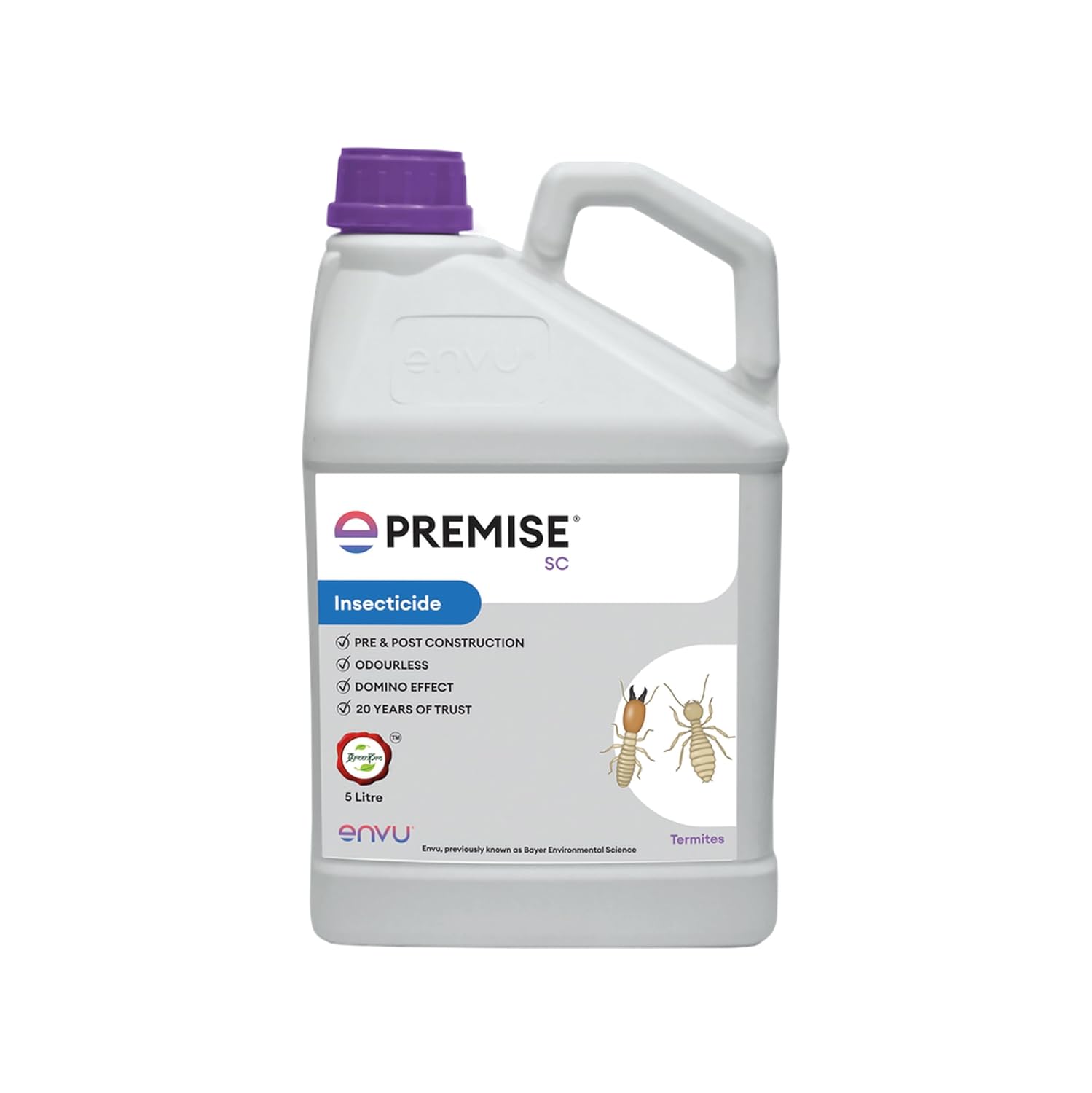
Premise SC termite treatment product

Premise SC

Professional non-repellent termiticide commonly used for pre-construction and post-construction treatment workflows.

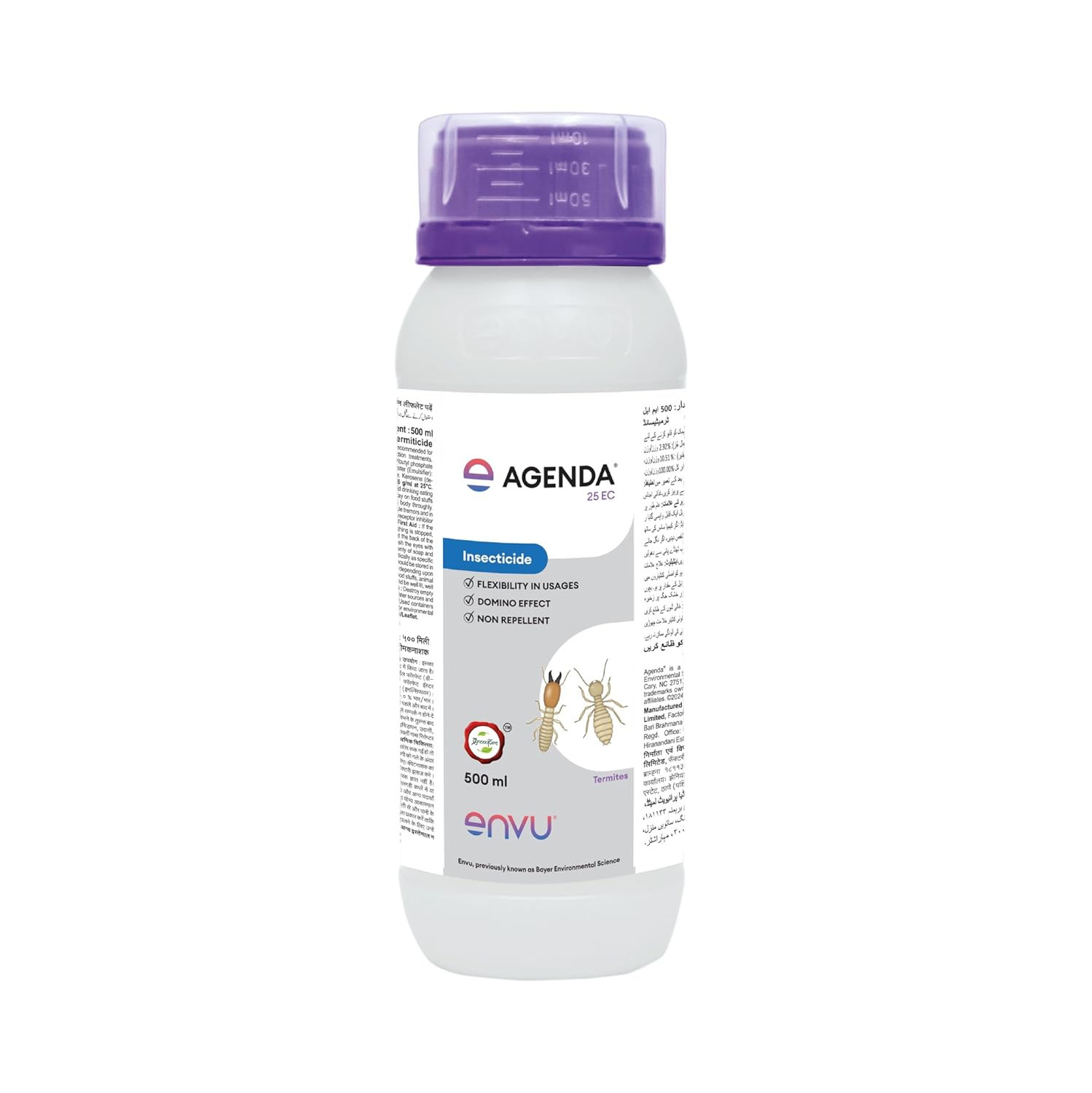
Agenda 25 EC termite treatment product

Agenda 25 EC

Termiticide often considered for soil, structural and some wood-related applications handled by trained professionals.

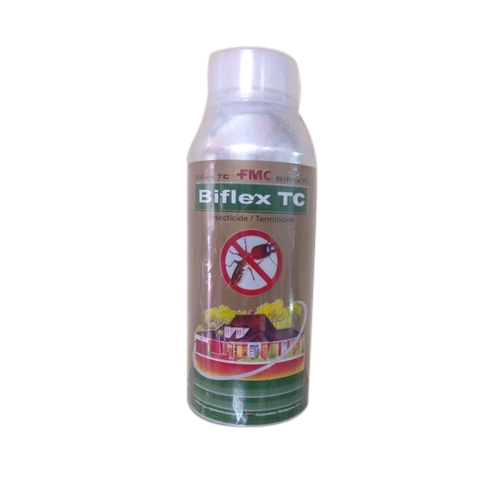
Biflex TC wood protection product

Biflex TC

Wood and plywood protection chemical used in furniture, plywood and timber processing environments.

Why pre-construction termite treatment matters

Pre-construction termite treatment creates a protective barrier before the building is completed. That early barrier is important because it helps reduce the chance of termite entry through soil contact areas once the structure is occupied.

Why wood protection matters in factories and workshops

Plywood, furniture and wood-processing businesses deal with valuable stock that is vulnerable to termites and borers. Clear wood treatment guidance and the right chemical selection help protect finished material, raw stock and production quality.

Answer Engine Friendly Q&A

Frequently asked questions

How long can termites stay hidden?

Termites can remain hidden for months because they often travel inside wood, wall cavities or underground channels before visible damage appears.

Do termites attack only old houses?

No. New buildings, under-construction sites, furniture units and storage areas can all be affected if protection and monitoring are weak.

When should I contact a professional?

Contact a professional when you see repeated termite signs, need guidance on pre-construction or post-construction treatment, or want help selecting a product for wood or project use.

Next Step

Need product or treatment guidance?

If you want help deciding between service support, project supply or wood protection chemicals, the best next step is to visit the product pages or contact us directly with your city, use case and quantity requirement.

WhatsApp Call Now